
A vinyl banner has a different lifespan than a channel letter sign. A lobby acrylic sign ages differently than a monument sign in a parking lot. If you’re budgeting for signage or trying to decide whether to repair or replace, the answer depends on what you have and where it lives.
Here’s a practical breakdown by sign type.
Vinyl Graphics & Banners
Lifespan: 2–7 years depending on material grade and exposure
Calendered vinyl — the standard grade used for short-term applications — typically holds up 2–3 years outdoors before fading, shrinking, or lifting at the edges. Cast vinyl, which is thinner and more conformable, lasts 5–7 years in direct sun exposure.
Vinyl banners are a different category. A standard scrim banner used outdoors will last 1–3 years before UV degradation and wind stress cause fading and tearing. Mesh banners in high-wind locations fare better structurally but still fade.
Indoor vinyl — wall wraps, window graphics, floor graphics — lasts significantly longer because it’s not battling UV and weather. Expect 5–10 years for interior applications with quality laminate.
Signs it’s time to replace: Lifting edges, cracking, significant fading, color shift, or bubbling.
Acrylic Signs (Lobby & Interior)
Lifespan: 10–20+ years indoors
Cast acrylic is one of the most durable sign materials available. Indoors, a well-fabricated acrylic lobby sign will hold its finish, color, and structural integrity for well over a decade. The most common reasons to replace an acrylic sign aren’t material failure — they’re rebranding, relocation, or a change in office aesthetic.
Painted acrylic can show wear on high-touch surfaces like door signs or room ID plaques, but a properly finished sign in a professional environment will easily last 10–15 years.
Outdoor acrylic without UV-protective coating will yellow and become brittle over time. For exterior applications, aluminum, HDU, or UV-stabilized acrylic composites are better choices.
Signs it’s time to replace: Yellowing, crazing (fine surface cracks), chipping, or paint loss on dimensional surfaces.
Dimensional Letters & Logos
Lifespan: 10–20+ years
Aluminum dimensional letters, properly fabricated and finished, are essentially indefinite in lifespan — the material doesn’t corrode, and a quality paint finish with UV topcoat will hold for 10–15 years before showing any fade. After that, a repaint can extend life another decade.
HDU (high-density urethane) foam letters used in exterior applications are durable but more susceptible to physical damage than metal. They’re paintable, lightweight, and commonly used for monument sign faces and lobby installations — expect 10–15 years with quality paint.
Stainless steel and brass letters require almost no maintenance and last indefinitely, though brass will patina unless sealed.
Signs it’s time to replace: Physical damage, delamination of painted finish, or when the brand mark changes.
Channel Letter Signs
Lifespan: 7–15 years
Channel letters have more components than other sign types — the aluminum return, acrylic face, mounting hardware, and LED modules — each with its own lifespan. The aluminum and acrylic will typically outlast the electrical components.
LED modules in channel letters have a rated lifespan of 50,000–100,000 hours, which translates to 15–20 years at 12 hours per day. In practice, you’ll often see individual LED strips dim or fail before that — usually around year 7–10 — requiring spot repairs rather than full replacement.
The acrylic face can yellow or crack over time, particularly with older signs that used fluorescent lighting (which generates more heat). LED conversions on older channel letter signs can significantly extend useful life.
Signs it’s time to replace: Sections not illuminating, visible yellowing of acrylic faces, warped returns, or significant fading of the painted exterior.
Monument Signs
Lifespan: 20–30+ years for the structure; 7–15 years for the face
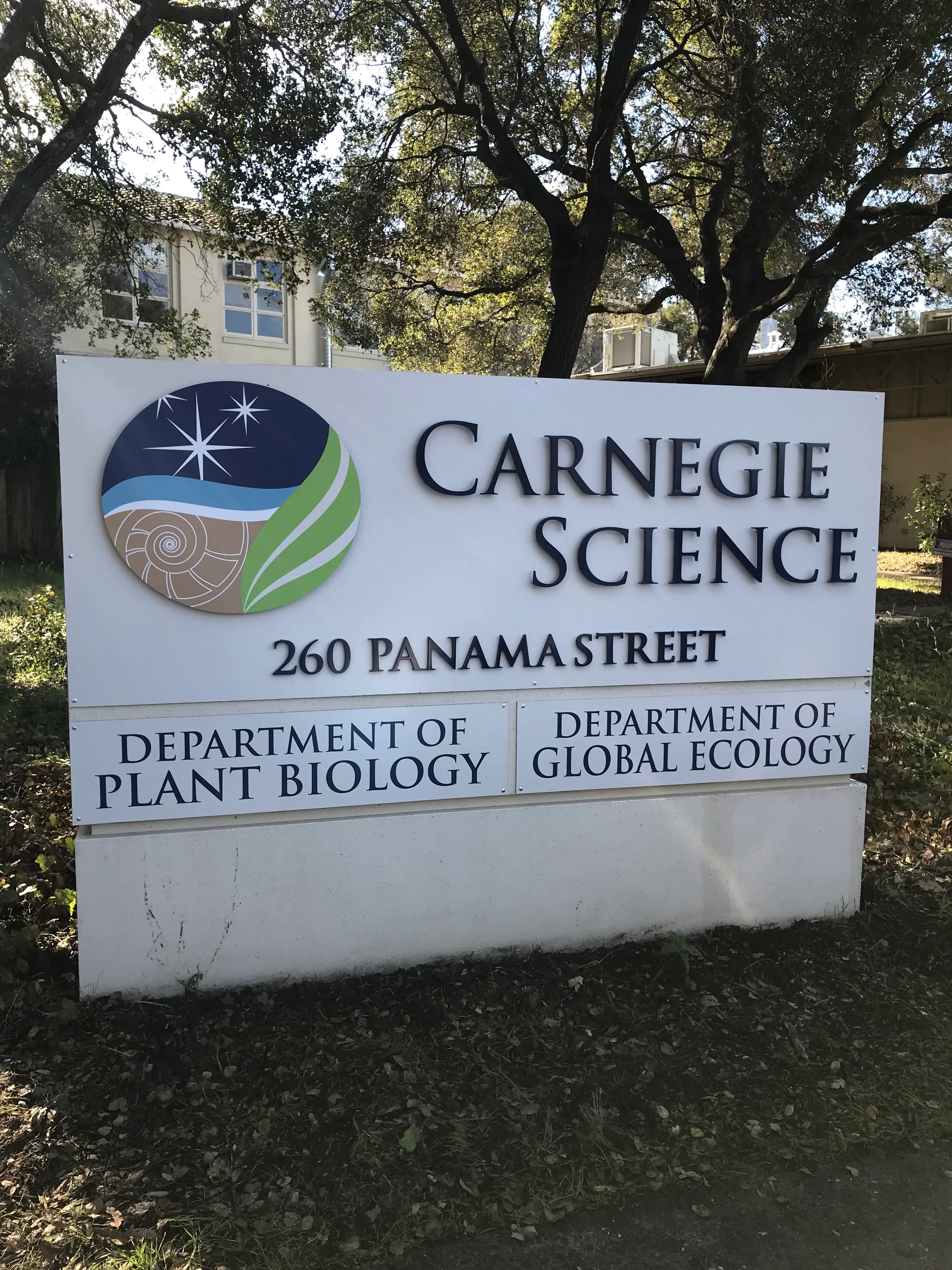
A well-built monument sign base — masonry, concrete, or steel-framed stucco — is essentially a permanent structure. The base itself rarely needs replacement, only maintenance (repainting, patching, resealing).
The sign cabinet or face is a different story. An illuminated aluminum cabinet with LED will last 10–15 years before the face material, electrical components, or finish show meaningful wear. Non-illuminated monument faces with vinyl graphics typically need re-facing every 5–7 years as the vinyl fades.
In the Bay Area, the UV load is lower than desert climates, which extends lifespan compared to signage in Phoenix or Las Vegas. But coastal salt air in areas near the Bay can accelerate corrosion on unsealed metal components.
Signs it’s time to replace the face (not the base): Faded or peeling vinyl, yellowed acrylic, failed LED sections, or a rebrand.
Window Graphics & Frosted Film
Lifespan: 3–7 years
Window graphics in direct sun — south or west-facing glass — will fade faster than shaded or north-facing windows. Quality cast vinyl with UV laminate will hold 5–7 years in most Bay Area conditions. Standard calendered vinyl in direct sun may start showing fade at 3–4 years.
Frosted/etched-look vinyl typically holds up well since it’s often installed on interior-facing glass and doesn’t carry printed color that can fade.
Signs it’s time to replace: Visible fading, edge lifting, bubbling, or a rebrand.
What Shortens Sign Life
A few factors that cut lifespan across all sign types:
Poor installation — Signs not mounted to account for thermal expansion, or with inadequate substrate prep, will fail early regardless of material quality.
Low-grade materials — Calendered vinyl used where cast is needed, or uncoated acrylic in an outdoor application, is a common source of early failure.
Lack of maintenance — Cleaning signs regularly, catching minor damage early, and resealing painted surfaces on a schedule extends life significantly.
Direct water intrusion — Illuminated signs with gaps in the housing that allow water in will fail faster, particularly if the electrical components aren’t properly sealed.
Repair or Replace?
As a general rule: if the structure is sound and the issue is cosmetic or electrical, repair. If the material itself has degraded — yellowed acrylic, cracked HDU, corroded aluminum — replacement is usually more cost-effective than patching.
For illuminated signs, LED retrofits can extend the useful life of an otherwise good cabinet by 10+ years at a fraction of replacement cost.
Get a Sign Assessment for Your San Jose Property
Not sure whether your existing signs need repair or replacement? We can walk your property, assess what you have, and give you a straight answer — no obligation.
Request a free consultation — most responses come back within one business day.
Serving San Jose · Santa Clara · Sunnyvale · Milpitas · Mountain View · Fremont and all of Silicon Valley.