
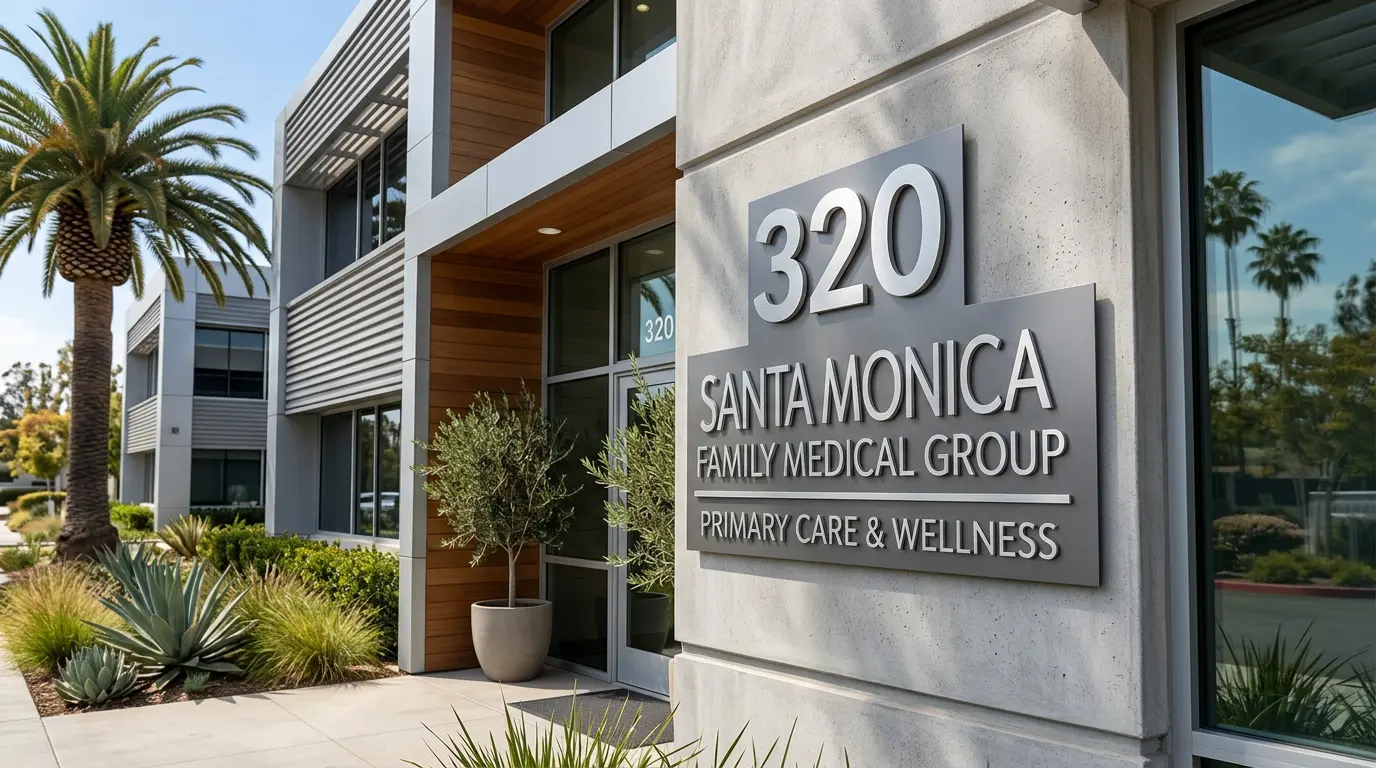
Running a dental group or urgent care chain across multiple locations in Silicon Valley means managing signage across multiple city jurisdictions, multiple landlords, multiple lease agreements, and multiple permit offices — while keeping the brand consistent across every location.
Most multi-location healthcare operators handle this one location at a time, reactively, as leases are signed and build-outs happen. The result is inconsistent sign execution, missed permit requirements, and locations that look noticeably different from each other despite being the same brand.
Here’s how the better-run programs approach it.
The Permitting Reality Across Silicon Valley Cities
This is the part most healthcare operators underestimate. Sign permits in Silicon Valley aren’t managed by a single regional authority — every city has its own sign code, its own permit process, and its own timeline.
A standard exterior suite sign permit in San Jose currently runs 4–8 weeks through the Development Services Department. Santa Clara has its own process and timeline. Sunnyvale, Mountain View, Cupertino, and Campbell each have separate sign ordinances with different allowances for sign area, illumination, and placement.
For a DSO or urgent care chain opening multiple locations per year across these cities, managing permit submittals location by location without a systematic approach means constant delays and inconsistent outcomes.
The sign companies that serve multi-location healthcare operators well are the ones who know each city’s process, have established relationships with the permit offices, and can manage parallel submittals across multiple jurisdictions simultaneously.
Brand Consistency Across Locations
The challenge with exterior healthcare signage isn’t just getting the permits — it’s maintaining consistent brand execution when every building is slightly different.
The suite number panel on a medical office building in San Jose might be 24" wide. The same panel at a location in Sunnyvale might need to be 18" wide to fit within the landlord’s sign band. The channel letters at one location are on a building with a dark facade. The next location has a light-colored stucco building.
A well-run sign program accounts for this by establishing brand standards at the system level — logo proportions, color specifications in both print and illuminated formats, letter style, and acceptable size ranges — and then executing each individual location within those standards rather than trying to make every location identical.
The result is a portfolio of locations that reads as the same brand without being rigidly uniform, which is both more achievable and more appropriate for commercial real estate environments where you don’t control the building.
Interior Signs — ADA Across Multiple Locations
Every new medical suite build-out requires a complete ADA sign package before the city issues a Certificate of Occupancy. For a chain opening multiple locations per year, this means a recurring sign procurement need that benefits from a standardized approach.
The most efficient way to handle this is to establish a standard sign package at the system level — approved sign designs, materials, and finishes that comply with California Title 24 across all locations — and reorder that package for each new location with only the room-specific content (room numbers, room names) changing.
This approach has several advantages:
Speed — once the design is approved and the fabrication template is set, new location orders skip the design phase and go straight to production. Typical turnaround for a repeat-order ADA sign package is 7–10 business days.
Consistency — every location gets the same sign quality, the same materials, the same finish. Brand standards apply to interior signs as much as exterior signs.
Cost efficiency — repeat orders at established specs are more predictable to quote and more efficient to produce than custom one-off projects each time.
The Replacement Cycle
Healthcare signage has a longer replacement cycle than most operators plan for — but it does need to be planned.
Exterior signs on high-UV California exposures typically need a refresh every 5–7 years. Vinyl graphics on window surfaces see faster degradation, especially on west and south-facing windows. Interior ADA signs, if properly specified with durable materials and non-UV environments, last significantly longer.
The practical trigger for replacement is usually a rebrand, a lease renewal with a new landlord requiring updated signage, or damage. For growing chains, the trigger is often that the first few locations were done early when the brand standards weren’t fully defined, and the newer locations look visibly different.
A sign audit across all locations — photos of existing signage, documentation of what’s in and out of compliance, and a prioritized replacement schedule — is a useful exercise for any healthcare operator managing more than 5 locations. It converts a reactive, location-by-location problem into a planned, budgeted program.
Working with a Sign Company on a Multi-Location Program
The logistics of a multi-location sign program are different from a single project. A few things that make a significant difference:
Single point of contact — having one sign company handle all locations means one entity that understands your brand standards, has your logo files and approved designs on file, knows your preferred materials and finishes, and can coordinate across multiple active projects simultaneously.
Permit management by location — your sign company should be managing the permit process in each city, not handing you a permit application to deal with. For a DSO or urgent care chain, the internal bandwidth to manage permits across multiple jurisdictions isn’t there, and it’s not a good use of your team’s time.
Landlord approval packages — every exterior sign at a leased location needs landlord approval before installation. A sign company with experience in healthcare real estate knows how to package these approvals efficiently and what information property managers need to turn them around quickly.
Installation coordination — for a new location, sign installation needs to fit into the construction schedule, typically in the final weeks before a CO. For an existing location, installation needs to happen without disrupting patient operations. Both require coordination that a sign company managing your full program can handle more smoothly than a first-time vendor engagement.
We work with DSOs, urgent care operators, and multi-location healthcare groups across Silicon Valley — managing exterior permits, interior ADA packages, and brand-consistent sign execution across multiple jurisdictions. If you’re managing more than one location in the South Bay, it’s worth a conversation about what a systematic approach looks like for your specific portfolio.
Talk to us about your multi-location healthcare sign program →