
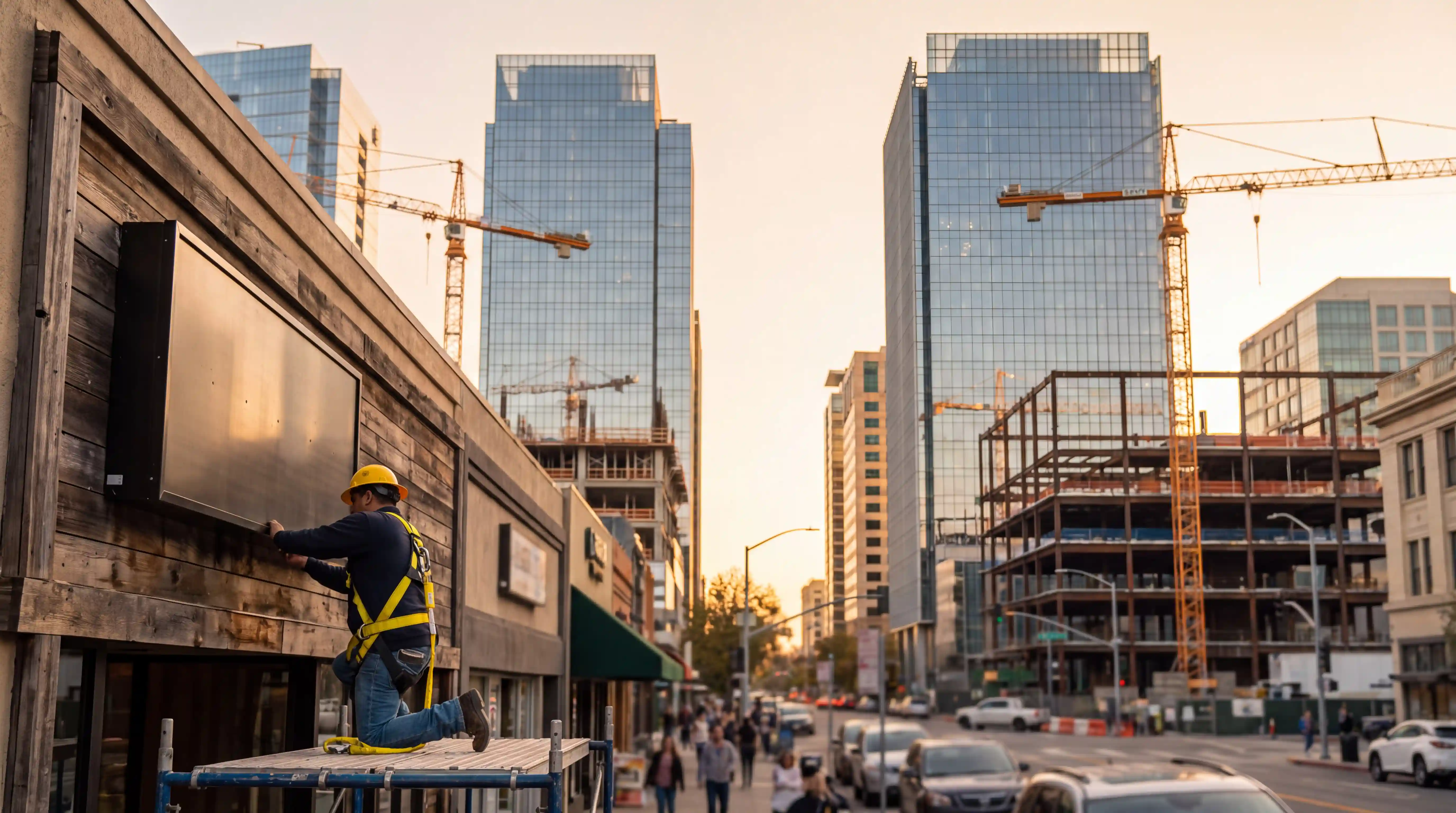
Two things happened this week that matter if you’re a Bay Area business owner thinking about signage: a scaffolding accident in Marin County, and real movement on one of downtown San Jose’s biggest retail redevelopments. They’re unrelated stories, but they both point to the same advice — know who’s doing the installation, and plan your signage earlier than you think you need to.
What Happened at Summit Skywalker Ranch
On Monday, scaffolding and large display screens collapsed during event setup at Summit Skywalker Ranch in Marin County. Five workers were hurt, three were taken to the hospital, and one suffered a serious head injury. Cal/OSHA is investigating.
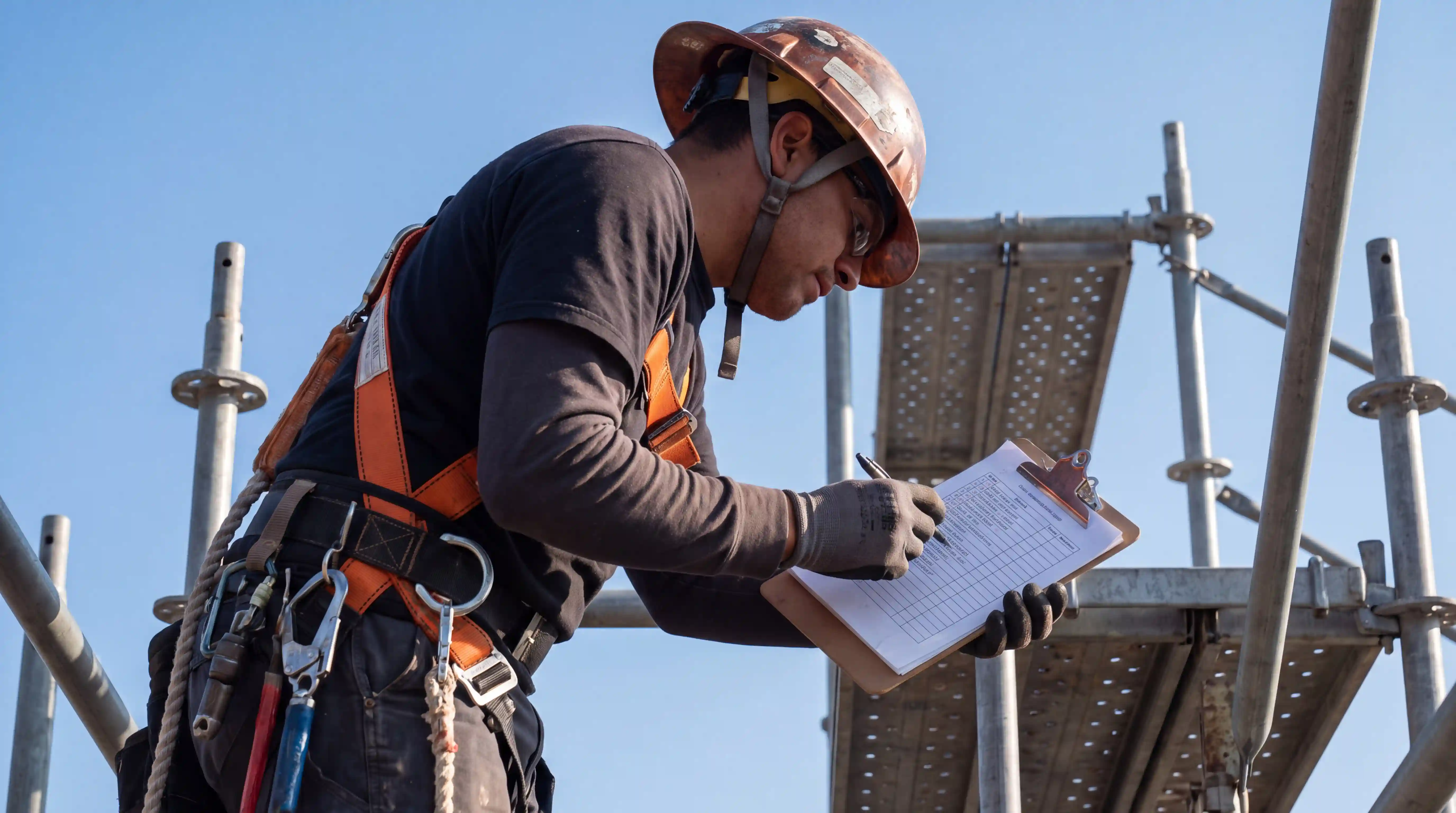
It’s not a signage job, but the setup — scaffolding, large display screens, elevated structures assembled fast for an event — isn’t far off from what happens on a lot of large sign and display installations. Monument signs, illuminated cabinets, exterior banners on multi-story buildings, trade show fabric walls: any of it can involve lifts, scaffolding, or working at height.
If you’re hiring someone for an installation like that, a few questions are worth asking before you sign anything:
- Who’s the qualified operator on scaffolding or lift equipment, and can they show current certification?
- Is there a daily inspection before each shift, done by someone who isn’t also rushing to finish the job?
- What are the anchoring and load limits for the structure, and who signed off on them?
- What’s the exclusion zone around the work, and is it actually enforced?
- Is there general liability and workers’ comp coverage, and can you get a certificate?
- Who has the authority to call a stop-work if something looks wrong?
None of this is complicated. It’s just easy to skip when a job feels routine. The installation is usually the highest-risk part of a sign project — often more consequential than the fabrication itself — and it’s the one piece a lot of buyers don’t ask enough about.
Downtown San Jose: CityView’s Retail Phase Is Moving
On the other side of the Bay, there’s a more optimistic story for anyone watching Silicon Valley commercial real estate. Jay Paul Company’s CityView redevelopment — the block bounded by Market Street, Park Avenue, Almaden Boulevard, and San Fernando Street in downtown San Jose — has its retail phase underway. Level 10 Construction is building out roughly 35,000 to 40,000 square feet of ground-floor retail space, with a parking structure above it, targeting completion in early 2028. It’s part of a larger shift at the site from an office-heavy master plan to one built around housing and street-level retail, alongside the recently completed 200 Park office tower across the street.
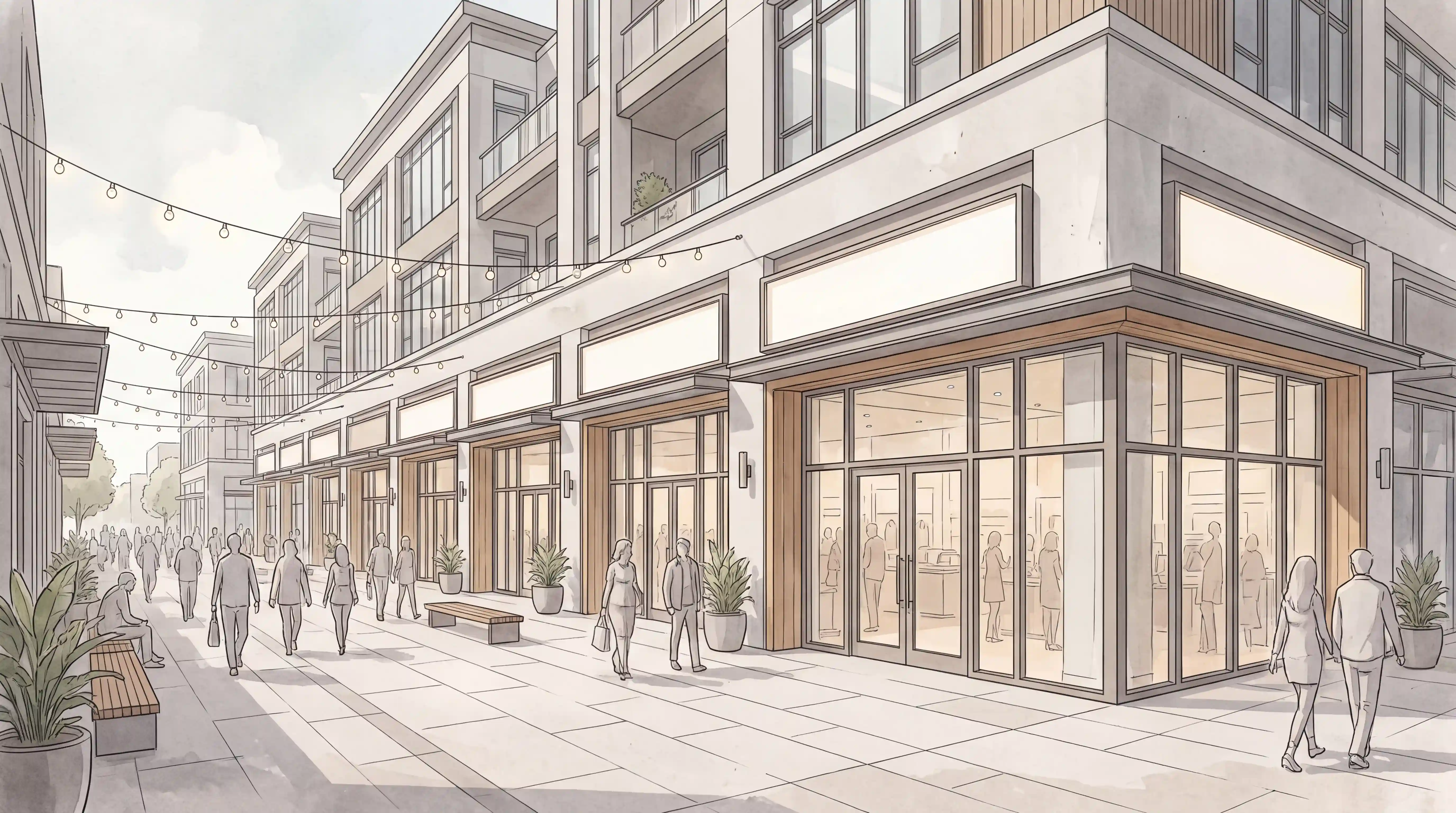
That’s a meaningful chunk of new storefront space in the heart of downtown San Jose — restaurants, retail, and service businesses that will all need the same things: storefront signage, window graphics, ADA-compliant suite and restroom signage, directories, and wayfinding for the parking structure. Add in the residential component planned for later phases, and you’re looking at years of signage demand concentrated in a few blocks.
Why This Is Worth Planning For Now
The businesses that end up leasing space at CityView won’t be thinking about signage until they’re deep into buildout — permits pulled, walls framed, opening date looming. By then, they’re picking whoever can turn a quote around fastest, not necessarily whoever knows the site or the City of San Jose’s downtown sign code best.
That’s the gap. San Jose’s sign ordinance has specific rules for downtown zoning overlays, projecting signs, and illuminated storefront signage — and getting a permit-ready package together takes real lead time. A local shop that already understands the site, the permitting process, and what CityView’s design guidelines will likely require has a real head start over a national sign chain parachuting in after the fact.
How Clear Line Signs Handles Both Sides of This
We’re a San Jose-based shop, and we manage the full lifecycle on every project — design, fabrication, permitting, and installation — with a local team, not a rotating cast of subcontractors nobody’s vetted. Every installation, whether it’s a storefront sign, a monument sign, or anything requiring lift or scaffold work, goes through the same standard: qualified operators, documented inspections, clear load limits, and a real point of contact who’s accountable for the job site.
If you’re opening a business at CityView, anywhere else in downtown San Jose, or elsewhere in Silicon Valley, the earlier you loop in your sign company, the smoother permitting and installation go — and the sooner your storefront actually looks open.
Call us at (408) 780-1035, email info@clearlinesigns.com, or request a free quote online.
Frequently Asked Questions
Does Clear Line Signs handle elevated or scaffold-based sign installations? Yes. For installations involving lifts, scaffolding, or work at height, we require documented operator qualifications, daily equipment inspections, and clear load and anchoring limits before work begins.
What kind of signage will businesses need at CityView? Most ground-floor retail tenants will need storefront signage, window graphics, ADA-compliant interior signage, and directory or wayfinding signage for the parking structure. Larger tenants may also need dimensional letters or illuminated cabinet signs, depending on lease and design guideline requirements.
Do I need a permit for a storefront sign in downtown San Jose? In most cases, yes. Downtown San Jose has zoning-specific sign requirements, and new construction sites like CityView typically have additional landlord design guidelines on top of the city’s permit process. We handle both.
How early should I start planning signage for a new retail space? As soon as you have a lease and floor plan, even before buildout starts. Permitting and fabrication both take lead time, and starting early avoids a signage delay pushing back your opening date.