
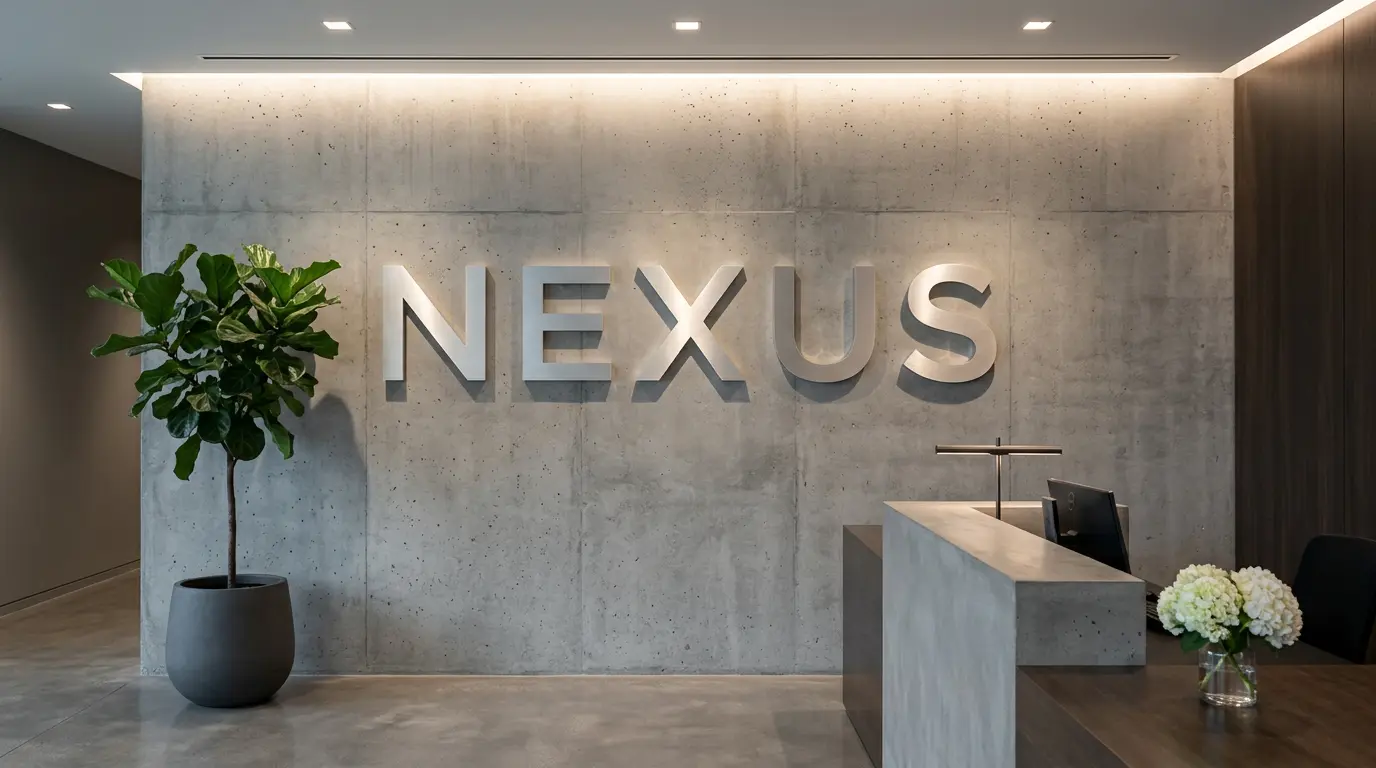
Tech companies in San Jose move fast — offices open, expand, rebrand, and relocate on timelines that don’t leave much room for a six-week sign project to go sideways. The sign needs are also genuinely different from a retail storefront or a medical office: brand standards are strict, aesthetic expectations are high, and the people evaluating your space — candidates, investors, enterprise clients — are paying close attention.
This guide covers what San Jose tech companies actually need in terms of signage, what to prioritize at each growth stage, and how to avoid the most common mistakes.
Why Tech Company Signage Is Different
Most commercial signage is fairly forgiving on brand precision. A restaurant’s outdoor sign doesn’t need to match a specific Pantone value. A medical office lobby sign doesn’t get photographed for a LinkedIn employer brand campaign.
Tech company signage does.
The lobby sign gets photographed for Glassdoor reviews, LinkedIn office tours, and press coverage. The conference room IDs appear in video calls. The exterior building sign shows up in Google Street View and on your own careers page. Every sign is brand content, whether you think of it that way or not.
That means two things: the sign has to be correct — exact Pantone match, precise finish, right material — and it has to be consistent. One mismatched sign in a system of twelve undermines the whole effect.
The other factor unique to tech companies is pace. A 40-person company can double headcount in a year and need an entirely new office sign package. A rebrand can make every existing sign obsolete overnight. Planning for change — or choosing sign vendors who can execute quickly when you need them to — matters more in this sector than almost any other.
Signage by Growth Stage
Seed and Series A: The First Office
At this stage you’re typically in a co-working space, a sublease, or a small dedicated suite — probably somewhere in San Jose’s SoFA District, a North San Jose flex building, or a co-working operator with multiple floors.
What you actually need right now:
Suite entry sign. An acrylic or aluminum panel with your company name and logo, mounted at the suite door. If you’re in a co-working building, check what the operator allows on shared corridors — most have restrictions. A simple acrylic plaque in your brand color is usually under $400 and makes the space feel real.
Lobby or reception sign (if you have a dedicated lobby). Even a small lobby benefits from a dimensional sign. At this stage, acrylic letters with standoff mounting is the right move — professional look, reasonable cost ($800–$2,000 range), and can be left behind when you move without much loss.
What to skip for now. Exterior signage, wayfinding systems, conference room ID signs for three conference rooms that don’t have real names yet. Over-investing in signs for a space you’ll outgrow in 18 months is common and avoidable.
Series B and C: The Real Office
This is the stage where sign decisions start to matter at scale. You’ve signed a lease on a real floor or building, you’re hiring fast, and you’re regularly hosting enterprise clients and investor visits.
What a Series B–C tech office typically needs:
Lobby sign (properly done). This is the moment to invest in the right material. Brushed aluminum dimensional letters, backlit acrylic, or a multi-layer acrylic and metal combination — chosen based on your wall surface, ceiling height, and brand aesthetic. Expect $2,000–$6,000 for a well-executed lobby installation.
Conference room signs. A system — not one-off signs purchased from different vendors. Consistent material, consistent font, consistent mounting hardware. Acrylic or aluminum room ID signs with a slide-in name holder work well at this stage when room names are still evolving. ADA-compliant room ID signs are required for permanently designated spaces — build that into the spec from the start rather than retrofitting later.
Directional and wayfinding signs. If your floor plan has more than one path from the elevator to the conference rooms, people are going to get lost without clear directional signage. One well-placed directional sign saves your receptionist from answering the same question twenty times a day.
Frosted window film and glass graphics. Interior glass partitions and conference room walls are a significant brand canvas in open-plan tech offices. Frosted film for privacy, printed patterns, or logo graphics on glass walls are cost-effective ways to reinforce brand identity throughout the space without major construction. No permit required; installed in hours.
Suite and building entry identification. If you have a dedicated building entrance or a prominent floor directory position, your signage needs to compete with other tenants for visibility. A well-executed suite entry sign and a building directory update are often worth doing together.
Exterior sign (if your lease allows it). Channel letters on the building face, or your name on the monument sign at the property entrance. Both require permits — build this into your timeline, not after you’ve already moved in.
Established and Public Company: Campus Identity
At this stage the sign system is infrastructure. Multiple buildings, multiple floors, multiple cities — every location needs to look like the same company.
What this stage requires:
A sign standards document specific to your facilities team — materials, mounting hardware, approved vendors, ordering process for common sign types. Without one, each new office becomes a guessing game.
Monument sign and campus identity. If you own or anchor a building along North First Street, Great Oaks Boulevard, or another major San Jose commercial corridor, your monument sign is a meaningful piece of real estate brand identity. Multi-tenant monument panels, illuminated cabinet faces, or dimensional letter installations on masonry bases all fall in this category.
Full interior sign systems. Lobby sign, floor directory, conference room ID, office nameplates, wayfinding, ADA-compliant room ID, and exterior building identification — all specified consistently and maintained over time as headcount, room assignments, and branding evolve.
The Complete Office Sign Package: What’s Actually in It
For a mid-size San Jose tech office (3,000–15,000 sq ft, single floor), a complete sign package typically includes:
| Sign Type | Typical Qty | Notes |
|---|---|---|
| Lobby / reception sign | 1 | Primary brand statement |
| Suite entry sign | 1–2 | Suite door and building directory |
| Conference room ID signs | 4–12 | ADA-compliant, tactile + Braille |
| Office / workstation nameplates | 10–50 | Acrylic or aluminum, frame-insert |
| Directional signs | 2–6 | System-designed, wall-mounted |
| Restroom signs | 2–4 | ADA-compliant required |
| Frosted / printed glass film | Varies | Conference rooms, partitions |
| Exterior building sign | 1 | Channel letters or cabinet; permit required |
Not every office needs every category. A company in a co-working suite skips exterior signage and most wayfinding. A company in a dedicated building needs all of it.
Brand Standards: How to Avoid the Most Common Mistake
The most common signage mistake tech companies make is purchasing signs from multiple vendors over time, without a consistent spec. The result: lobby sign in one shade of blue, conference room signs in a slightly different shade, exterior sign in a third. Each one looked right in isolation. Together they look careless.
Avoiding this requires two things:
1. A vendor who asks for your brand guide before quoting. If a sign company quotes you without asking for your Pantone values, CMYK breakdown, or approved font files, they’re going to make something that looks close. Close isn’t right.
2. A sign spec document for recurring items. Conference room signs, nameplates, and directional signs get ordered repeatedly as the company grows. Having a documented spec — material, size, finish, mounting hardware, approved vendor — means every reorder matches, even if the person placing the order has never done it before.
At Clear Line Signs, we request brand guidelines before fabrication begins on every tech company project. We match to Pantone, CMYK, and RAL specifications and provide a material sample for approval on new projects before full production runs.
ADA Compliance in Tech Office Environments
It’s required, not optional. Any permanently designated room in a San Jose office — conference rooms, restrooms, utility rooms, server rooms, any space with a fixed name — requires an ADA-compliant sign under federal law and California Title 24.
The spec requirements are precise: raised tactile characters, Grade 2 Braille positioned immediately below the text, matte finish, minimum 70% contrast, mounted at 60 inches AFF on the latch side of the door.
The practical implication: don’t order your conference room signs and then order ADA signs separately six months later. Spec them together as one system from the start — same material, same finish, same mounting hardware — so they look like they belong together.
See our full breakdown of ADA sign requirements for California businesses for the complete compliance spec.
Exterior Signs: Permits, Timelines, and What to Plan For
Channel letters on a San Jose building face require a city sign permit and licensed electrical work. Monument sign additions or modifications require a building permit and, in some cases, engineering review.
The permit timeline for exterior signs in San Jose is typically 3–6 weeks for a standard installation, longer if your building is in an overlay district or if corrections are issued. That timeline runs in parallel with fabrication — but it still means you should be starting the permit process 6–8 weeks before you want the sign installed.
If your office is in a multi-tenant building, you’ll also need landlord authorization — a separate requirement from the city permit that can have its own review timeline depending on the property management company.
Full details on the permit process: Storefront Sign Permits in San Jose: What You Need to Know.
Local vs. National Sign Vendors: When It Matters
Large national sign companies serve enterprise accounts well for multi-location rollouts with consistent specs. For a single San Jose office — or a Bay Area headquarters with one or two satellite locations — a local vendor with permit knowledge and on-site installation capability is almost always faster and more accountable.
Permit submittals require someone who knows San Jose’s Development Services process. Installation coordination requires someone who can show up on a specific day and flex when your facilities manager moves the date. A vendor in another state handling both through subcontractors adds friction at every step.
FAQ
How far in advance should we order signage for a new office? For interior signs only: 3–4 weeks from design approval is comfortable. For exterior signs requiring a permit: 8–10 weeks minimum from project kick-off. If you’re doing both simultaneously, start the exterior process as soon as the lease is signed.
We’re rebranding. What’s the most efficient way to replace all our signs? Start with a full sign audit — catalog every sign in the space, its condition, its current spec, and what the new brand requires. That gives you an accurate scope and prevents surprises mid-project. We can do the audit as part of the project kick-off.
Our building has a sign program. Does that limit what we can do? Sign programs set standards for materials, placement, size, and sometimes illumination. They’re set by the landlord, not the city, and vary significantly across San Jose’s office buildings. Get the sign program criteria early — before you design anything — so the design process doesn’t have to restart after the first landlord review.
Can you match our exact brand colors? Yes. We color-match to Pantone, CMYK, and RAL specs. Send us your brand guidelines at the start of the project and we’ll fabricate to spec — and provide a sample for approval before full production on new material combinations.
Do we need permits for interior signs? No. Interior signage in San Jose does not require a city permit. ADA compliance is a federal and state requirement, but it’s separate from the city permitting process.
What’s the typical cost for a full interior sign package for a mid-size tech office? For a 5,000–10,000 sq ft single-floor tech office in San Jose, a complete interior sign package — lobby sign, conference room IDs, wayfinding, restroom signs, glass film — typically runs $4,000–$12,000 depending on materials, square footage, and number of sign locations. Exterior signs are scoped separately.
Get a Quote for Your San Jose Tech Office
Clear Line Signs works with tech companies across San Jose’s North First Street corridor, Downtown, SoFA, and the broader Silicon Valley office market. We design, fabricate, permit, and install — one team, one point of contact, no subcontractors you’ve never met.
Request a free quote and we’ll respond within one business day. Bring your brand guide and we’ll take it from there.
Serving San Jose · Santa Clara · Sunnyvale · Milpitas · Mountain View · Cupertino · Campbell and all of Silicon Valley.
Looking for a full-service San Jose sign company that handles design, permits, fabrication, and installation end to end? Clear Line Signs is based in San Jose and serves businesses throughout Silicon Valley.