Branded, modular wayfinding programs for tech campuses, multi-tenant office parks, and healthcare properties with more than one building across Silicon Valley. Cross-building navigation, parking structure signage, and phased rollouts — designed to California Title 24 standards and installed by our San Jose team.
A wayfinding program is the system of signs that helps people navigate between and within buildings — not just a single lobby directory or room plaque. For a Silicon Valley tech campus, multi-tenant office park, or healthcare property with more than one building, that means consistent signage at parking structures, building entrances, courtyards, and connecting walkways, all pointing visitors to the right place without confusion.
The challenge with multi-building properties is consistency and change. A sign program designed for five buildings has to look like one cohesive system — same materials, same typography, same color logic — while also accommodating tenant turnover, building renumbering, and phased construction as new buildings come online. Generic plastic signage ordered building-by-building rarely holds together visually, and replacing whole sign panels every time a tenant changes is expensive.
Every sign in a wayfinding program for a California property also has to meet Title 24 accessibility requirements where applicable — tactile characters, Braille, mounting heights, and contrast. We build that compliance into the program design from the start. For a deep dive on California's specific ADA sign requirements, see our ADA Compliant Signs guide.
Visitors arriving at one building often need to reach another. Exterior directional signs, building ID monuments, and pathway markers need to read consistently across the whole property — not just point people toward the nearest door.
Garages and surface lots need their own directional logic — level IDs, building-direction arrows, and pedestrian path signage from parking to building entrances, designed to match the rest of the program rather than looking bolted-on.
New buildings come online in phases. We design the wayfinding system so new buildings and signage can be added later without redesigning what's already installed — same hardware family, same numbering logic, same materials.
Multi-tenant properties see constant tenant change. Field-replaceable inserts mean a directory update or suite renumbering is a swap-out, not a sign replacement — keeping the program looking current without ongoing fabrication costs.
One sign vendor per building leads to a mismatched property. We design a single sign family — exterior monuments, directories, interior wayfinding — so every building on the property reads as part of the same system.
For new construction and major TI projects, we work from the architect's sign schedule and coordinate installation phasing with the GC's timeline — so signage is in place ahead of inspections and Certificate of Occupancy.
Tactile and Braille room ID signs for every permanent room — conference rooms, offices, restrooms, stairwells, mechanical rooms, and storage. The foundation of any compliant interior sign program.
Overhead or wall-mounted directional signs guiding visitors through multi-corridor floors. Compliant typography with directional arrows — designed to match your interior aesthetic, not look like hospital signage.
Lobby and elevator directories listing tenants, departments, or room numbers. Available in static or changeable-insert formats — modular systems allow updates without replacing the hardware.
Floor identification signs at elevator landings, meeting both ADA tactile requirements and California Title 24 specs for elevator lobbies — often the most overlooked element in a wayfinding audit.
California-compliant restroom signs with correct geometric shapes, ISA symbol, tactile characters, and Braille. Accessible route markers for ramps, accessible entrances, and parking.
A complete architectural wayfinding system used in corporate campuses, medical facilities, and universities worldwide. ADA-compliant inserts in branded aluminum frames — field-replaceable when rooms change.
Most ADA wayfinding programs use generic plastic plaques. Vista System is different — a modular architectural sign system that meets every Title 24 requirement while looking like it belongs in a Class A Silicon Valley office.
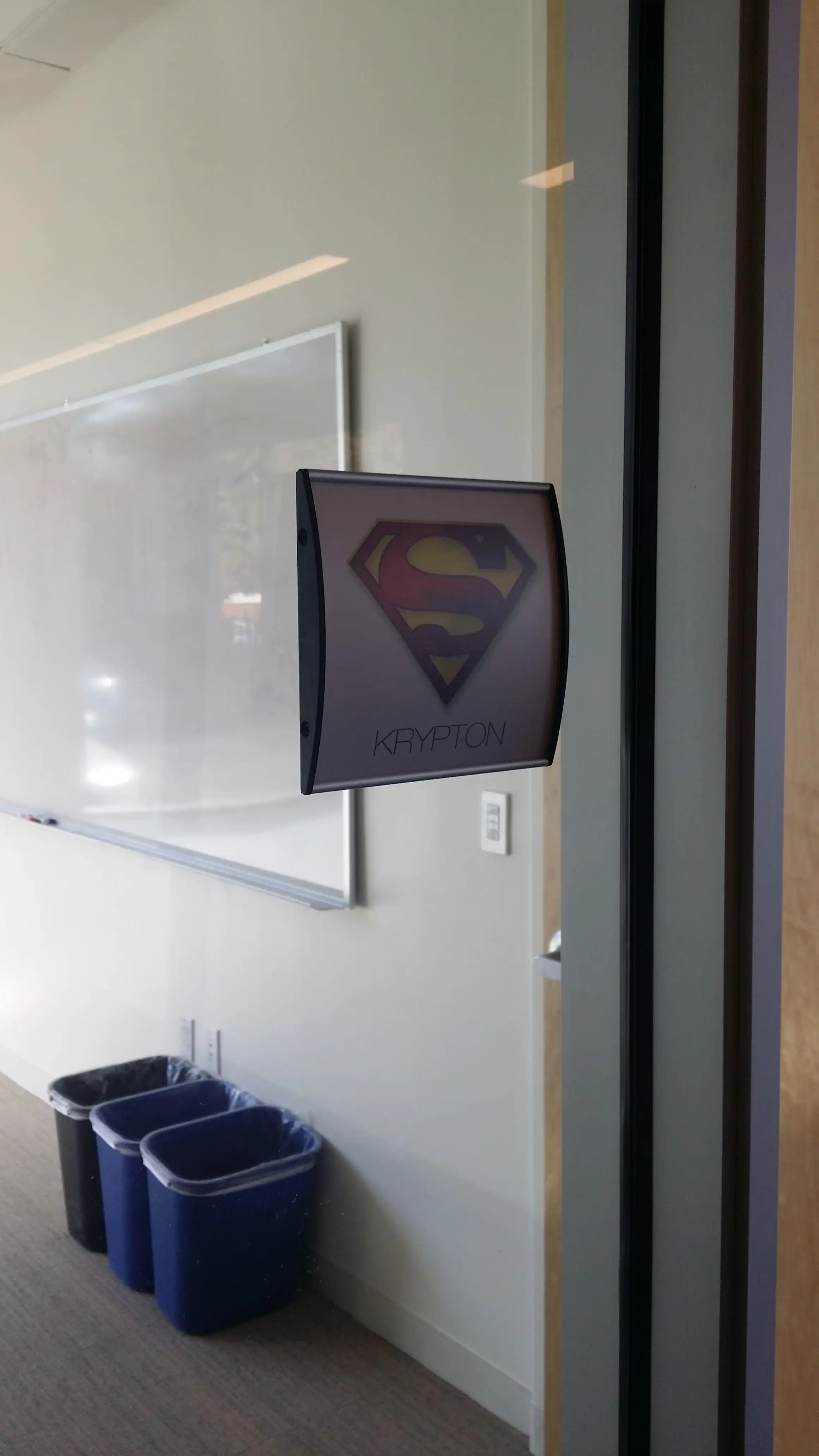
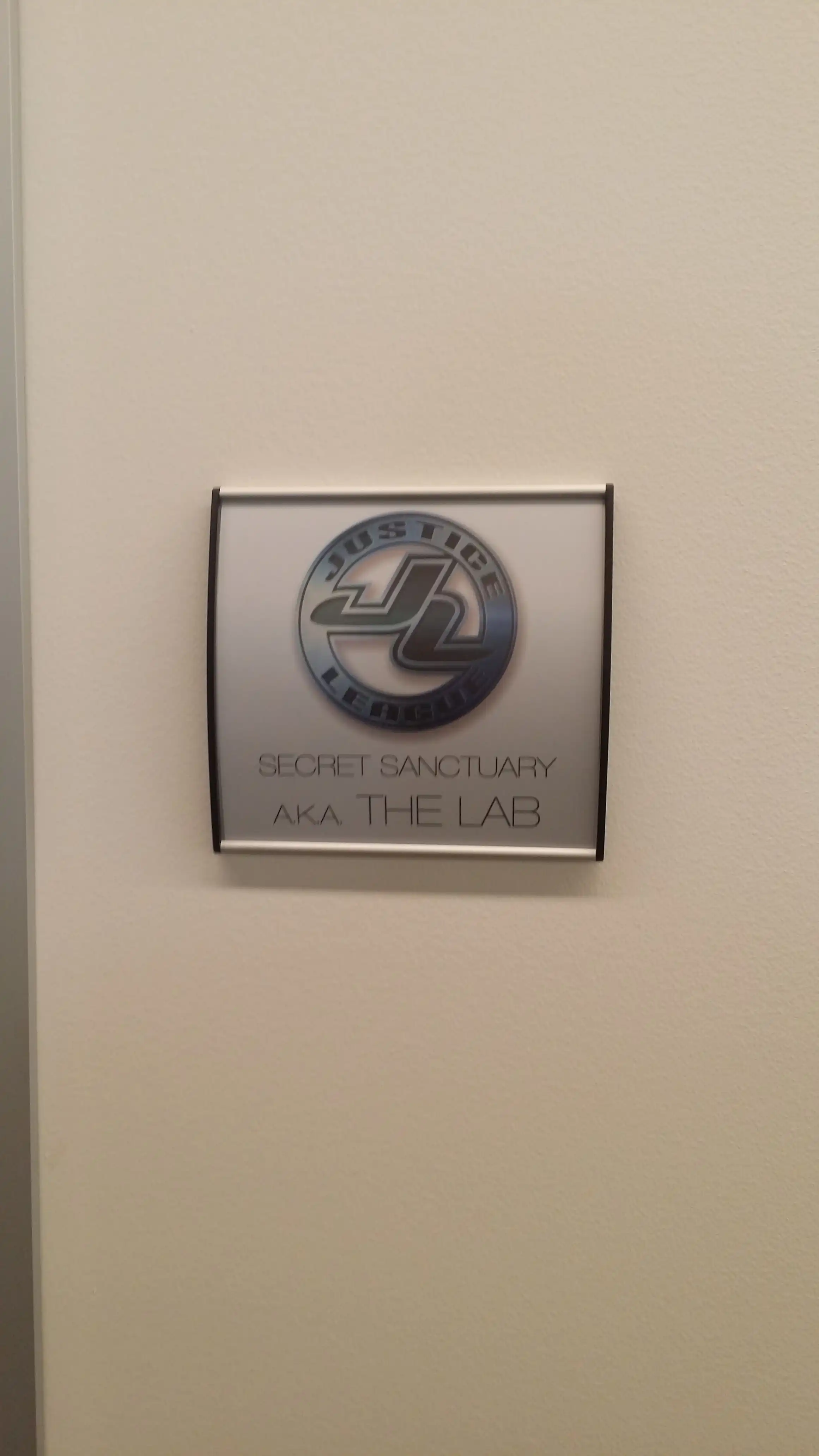
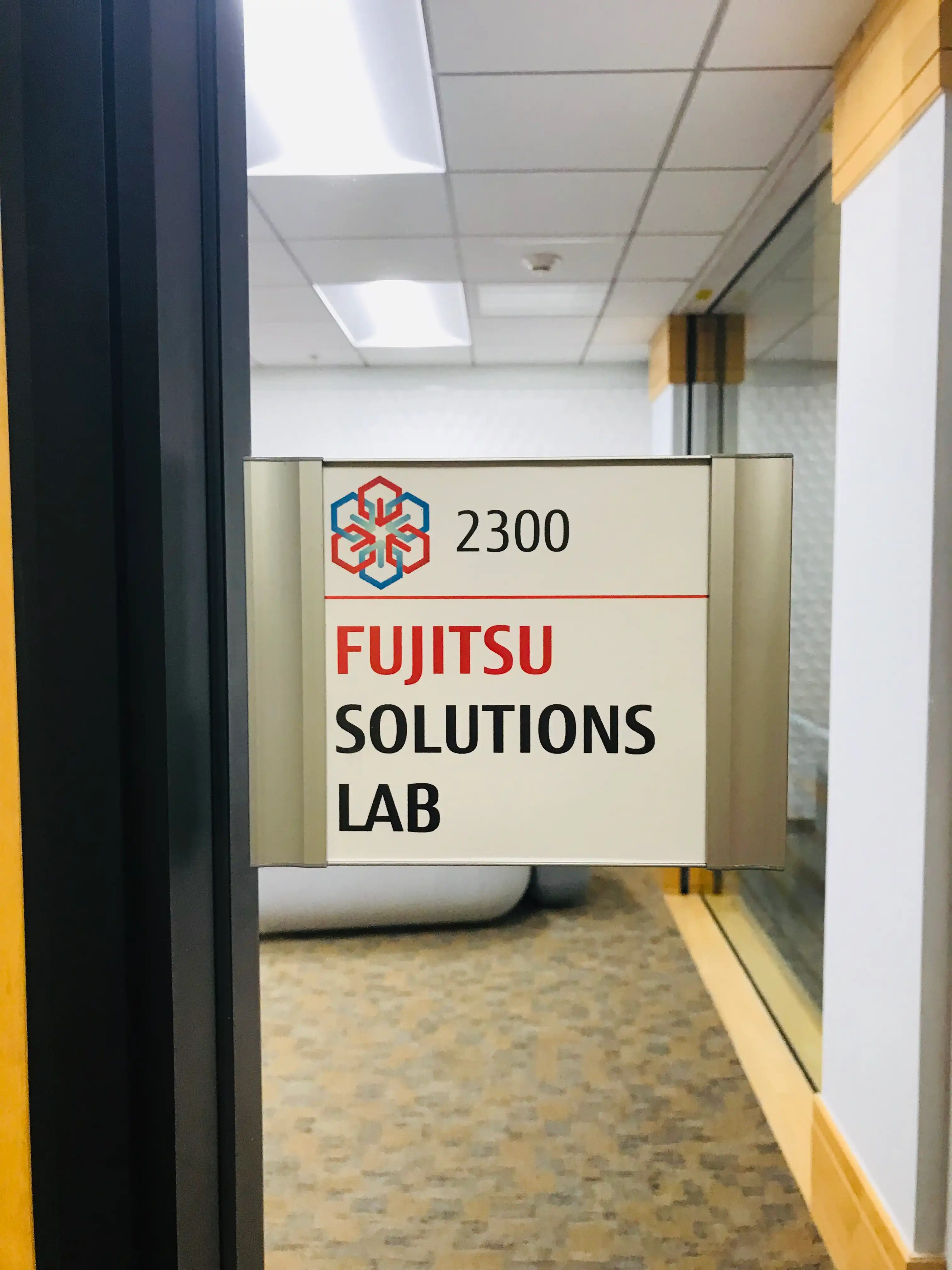
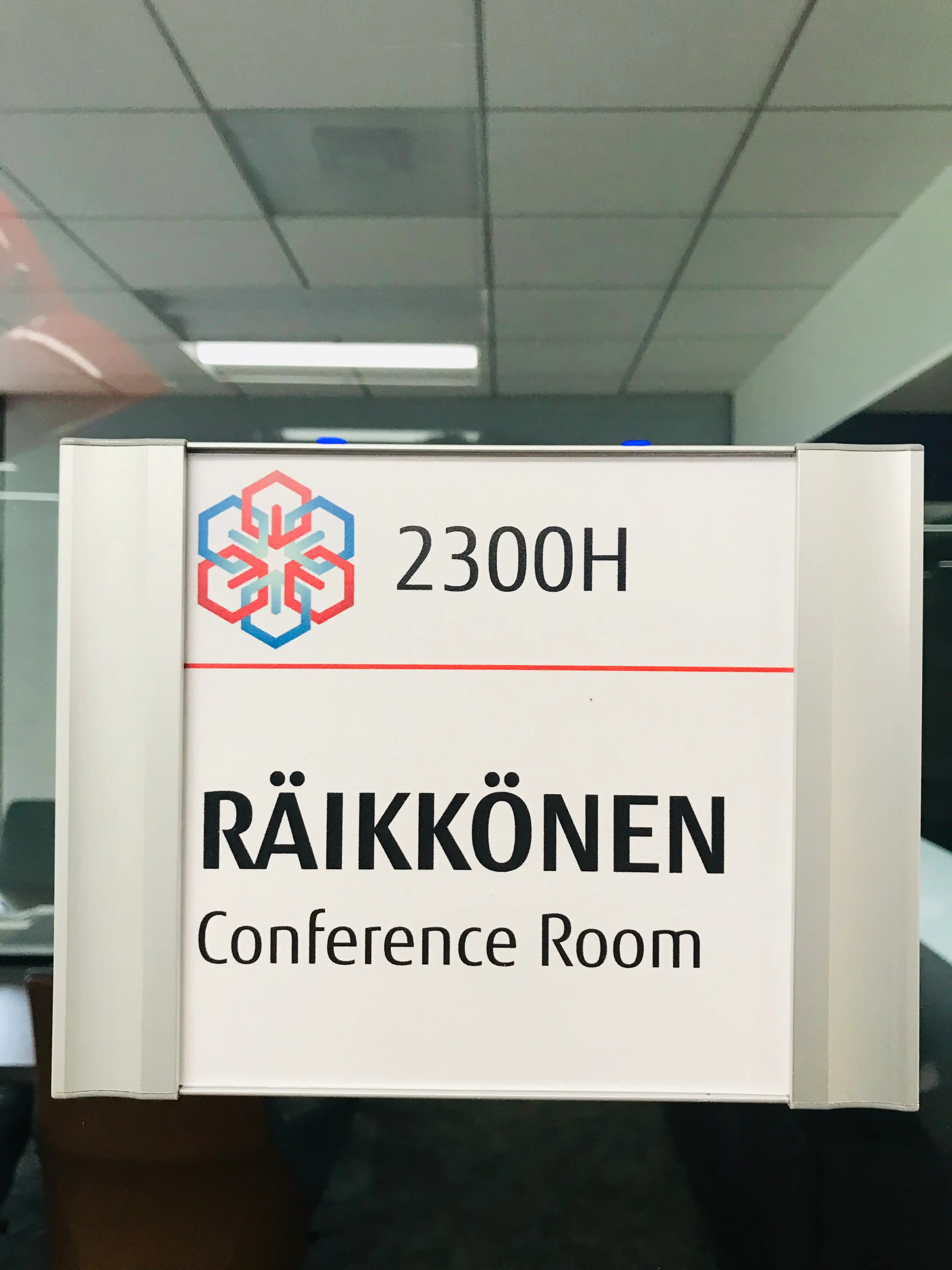
Vista System's modular frames — available in classic curved, flat, frameless, and illuminated configurations — accept field-replaceable graphic inserts. When a room gets renamed, a tenant moves out, or your company rebrands, you replace the insert, not the hardware. For Silicon Valley tech companies where teams and room functions change frequently, this matters.
We've installed Vista System wayfinding programs for corporate offices, medical facilities, and multi-tenant buildings across the South Bay. Every installation is designed to match the client's brand — color, typography, material finish — while meeting all ADA and California Title 24 requirements. We handle the full sign schedule: room-by-room compliance review, design, fabrication, and installation.
Every wayfinding project starts with a room-by-room compliance review. We identify which rooms require tactile signs, flag any existing non-compliant signs, and produce a complete sign schedule before quoting — so there are no surprises at inspection and no missing signs discovered after installation.
Silicon Valley offices have design standards. We design wayfinding programs that match your interior — custom color palettes, brand typography, material finishes — while meeting every ADA and Title 24 requirement. Compliant doesn't have to mean institutional.
We work directly with general contractors and interior architects during tenant improvements, and with property managers on building-wide wayfinding programs. We provide sign schedules, cut sheets, and installation coordination to fit your project timeline and inspection requirements.
Tech companies rename rooms, reorganize floors, and rebrand. Modular wayfinding systems with replaceable inserts mean those changes cost a fraction of full sign replacement. We keep your sign specs on file for fast reorders — same material, same finish, same compliance.
Cross-campus wayfinding for tech companies spanning several buildings — exterior building IDs, pathway directionals, and interior systems that stay consistent as teams move and buildings get repurposed.
Level identification, directional signage, and pedestrian path markers for parking garages and structures — designed as part of the overall property wayfinding family, not a standalone add-on.
Property-wide directory and wayfinding systems for office parks with multiple buildings and frequent tenant turnover — field-replaceable inserts keep directories current without re-fabrication.
Multi-building medical campuses where patients and visitors need to navigate between clinics, parking, and main hospital buildings — clear, compliant, and consistent across the whole property.
Wayfinding systems designed alongside the build, with signage installed in phases as new buildings or floors come online — coordinated with GC timelines and inspection schedules.
Standardized wayfinding kits for property managers overseeing multiple sites — consistent hardware, materials, and ordering process across the whole portfolio.
We start with a site review so you know exactly what's needed before fabrication begins.
We review your site plan and existing buildings — identifying every sign location across the property, from building entrances and parking structures to interior wayfinding, and producing a complete sign schedule with quantities and specifications before any fabrication commitment.
We design the wayfinding system to match your interior — color palette, typography, material finish — while meeting all ADA and Title 24 requirements. You review and approve sample signs before the full program goes into production.
Signs are fabricated to ADA and CBC specifications — tactile characters, Grade 2 Braille, non-glare finish, correct contrast ratio. Every sign is inspected before packaging. For modular systems, hardware and inserts are assembled and labeled by room for efficient installation.
Our team installs at correct mounting heights per CBC §11B-703.4, on the latch side of each door, with proper clearances. We provide a completed sign schedule and installation documentation for your permit file and inspection sign-off.
Based in San Jose, designing and installing multi-building wayfinding programs for tech campuses, office parks, and healthcare properties throughout the South Bay and greater Bay Area.